Your record
How your credit history can change your car insurance price
Most insurers price part of your premium from your credit report. Here is what they look at, the states that forbid it, and what you can do when it costs you.
By Guardbrook Editorial Team Updated 7 min read
At a glance
- Used in pricing
- Most states
- Not allowed for auto rates
- CA, HI, MA, MI
- Your notice right
- Adverse action notice
- Free credit reports
- Weekly, all 3 bureaus
Bottom line
A credit-based insurance score uses items from your credit report to predict how likely you are to file a claim, not whether you will repay a loan. Insurers in most states may use one to set your price, but California, Hawaii and Massachusetts don't allow credit in auto pricing and Michigan bars credit scores from auto rates. Elsewhere, most states stop insurers from using credit as the only reason to refuse or raise a policy. If your report raises your premium, the insurer has to tell you, and fixing errors on the report can lower your next price.
What an insurance score is, and what it isn't
The National Association of Insurance Commissioners (NAIC) describes a credit-based insurance score as a number insurers use "to estimate how likely someone is to file an insurance claim, not how likely they are to repay a loan." It is built from the same credit report a lender sees, such as your payment history, how much you owe and how long you have had credit, but it weighs those items for a different purpose. Credit reports don't list income, race or ethnicity, so the score can't use them directly.
The score is one rating factor among many. Your driving record, claims history, ZIP code, car and the coverage you choose all sit on the same bill. How much weight credit gets depends on the insurer's filed rating plan, which is why two companies can price the same driver with the same credit very differently.
Why insurers use it, and why it is contested
In a 2007 report to Congress, the Federal Trade Commission found that credit-based insurance scores "are effective predictors of risk under automobile policies." The same report found that scores are distributed differently among racial and ethnic groups, which affects what those groups pay on average, while concluding that the scores draw only a small part of their predictive power from that correlation.
Critics, including some regulators, argue that the scores penalize drivers for events that say little about how they drive, such as an illness, a layoff or a divorce. That argument is behind the state bans and the exceptions described below. Insurers answer that a factor which predicts claims keeps prices lower for the drivers least likely to file one.
Where states ban or limit it
| State | Rule for auto insurance |
|---|---|
| California | Credit history isn't used to underwrite or rate auto policies |
| Hawaii | No standard or rating plan may be based on a credit bureau rating (HRS §431:10C-207) |
| Massachusetts | Credit information may not be used to set auto rates |
| Michigan | A credit score may not be used to set or maintain rates (MCL 500.2162) |
| Texas | Allowed, but not as the only factor; exceptions for life events (Insurance Code ch. 559) |
In most other states, the NAIC notes, insurers "cannot use these scores as the sole reason to increase rates," and many states require a notice when credit played a role in an adverse decision. Several, Texas among them, let you ask for an exception if a divorce, a temporary job loss, identity theft or a death in the family damaged your credit. The rule for your state, and its regulator, are on your state cost page.
Your rights when credit raises your price
- An adverse action notice. Under the Fair Credit Reporting Act, when information in a consumer report leads an insurer to charge you more, it must tell you, name the credit bureau that supplied the report and tell you how to get a free copy.
- A free copy of the report. You can ask the bureau named in the notice for a free copy within 60 days. Separately, AnnualCreditReport.com gives free weekly reports from Equifax, Experian and TransUnion.
- A dispute. If an item is wrong, dispute it with the bureau, which must investigate. Then ask the insurer to re-run your score.
- An exception, where your state allows one. Put the request in writing and attach documents such as a divorce decree or a layoff notice.
What tends to improve an insurance score
Insurance scoring models are proprietary, and each insurer files its own with its state regulator. They draw on the same credit report categories as lending scores, though, so the habits that help a credit score usually help an insurance score too. None of them work overnight: a score reflects months and years of history, and most insurers look at it again only when the policy renews.
- Pay every account on time. Late payments can stay on a credit report for up to seven years, and recent ones weigh more than old ones.
- Keep card balances low compared with your credit limits, and pay down revolving debt before installment debt when you can.
- Open new accounts only when you need them. A run of new applications and accounts in a short time can count against you.
- Keep older accounts open if they cost nothing: a longer credit history generally helps.
- Fix what is wrong. An account that isn't yours or a debt reported twice can cost you on every insurance quote until it is removed.
If your credit is thin or damaged and your state allows credit in pricing, the other lines of the bill matter even more. A clean record, a higher deductible and the right discounts can offset part of a credit penalty; see ways to save for the options and who qualifies.
What to do about it
- Pull your three reports from AnnualCreditReport.com and look for accounts that aren't yours, late payments you made on time and debts already paid.
- Dispute the errors with each bureau that shows them, in writing or online, and keep copies.
- Ask the insurer to re-rate at renewal, or sooner, once the corrections post. Then compare quotes line by line: insurers weigh credit differently, and some weigh it less.
- Complain to your state insurance department if an insurer refuses an exception your state requires or used credit as the only reason to drop you.
Questions drivers ask
Is a credit-based insurance score the same as my FICO credit score?
No. Both come from your credit report, but a lending score predicts repayment and an insurance score predicts claims, so they weigh the same items differently.
Which states don't let insurers use credit for car insurance?
California, Hawaii and Massachusetts don't allow credit in auto pricing, and Michigan bars the use of credit scores to set auto rates. Most other states allow it with limits; see your state page.
Will getting car insurance quotes lower my credit score?
No. Insurers use soft inquiries, which don't affect your credit score and aren't seen by lenders.
Can I get my rate lowered if my credit improves?
Ask the insurer to re-run your score at renewal or after a correction posts. Rules on how often insurers must re-rate on request vary by state and company.
Where the figures come from
- NAIC — Credit-based insurance scores
- Federal Trade Commission — Credit-Based Insurance Scores: Impacts on Consumers of Automobile Insurance (2007)
- 15 U.S.C. § 1681m — Requirements on users of consumer reports (adverse action)
- Hawaii Revised Statutes § 431:10C-207
- Michigan Compiled Laws § 500.2162
- Texas Department of Insurance — Credit scores and insurance
- AnnualCreditReport.com — Free credit reports
Facts on this page were checked against these sources on October 26, 2026. State rules change; each state page names its regulator.
Have your rate shopped
Averages can't price your car and your record. Tell us the basics of your policy and Guardbrook passes them to licensed insurance agents and insurers who can quote it; you decide whether to switch.
- 1 Your cars, drivers and current policy.
- 2 How agents can reach you, and your consent.
- 3 A licensed insurance agent or insurer contacts you with quotes. Your policy stays as it is until you decide to switch.
Guardbrook is not an insurance company or agency and doesn't sell, quote or bind policies. You pay Guardbrook nothing; the licensed insurance agents and insurers who contact you set their own prices and terms. How we make money.
Read next
-
Price factor
Driving record
Tickets and at-fault crashes raise prices; OR and MD look back 3 years, CA Good Driver rates are 20%+ lower.
-
State cost
Texas
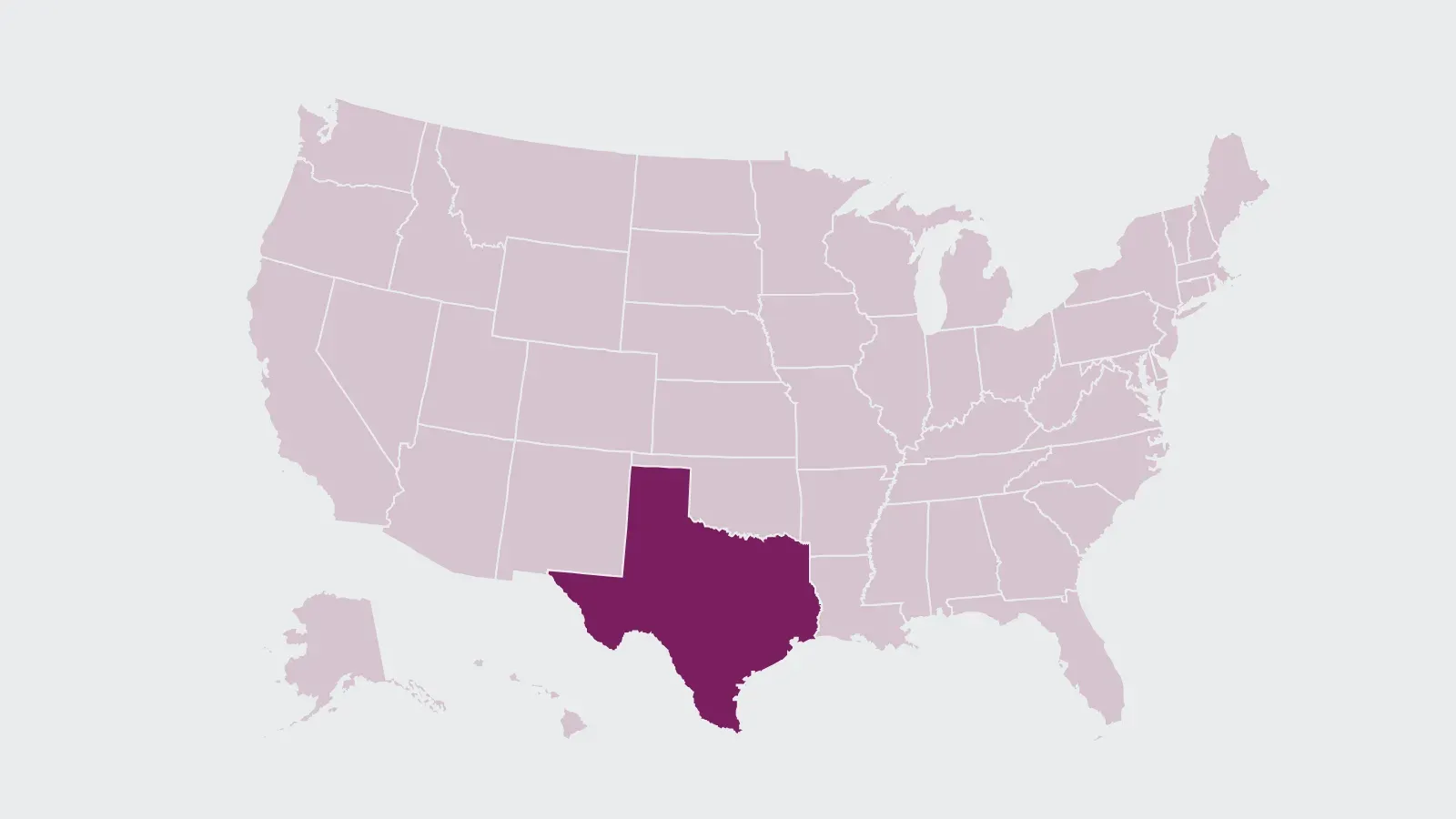
$1,429 average spend in 2023 (+11% vs. U.S.); full coverage $1,727; 30/60/25 minimum; PIP included.
-

Shopping guide
Comparing quotes line by line
Match limits, deductibles and add-ons, list every driver, compare totals with fees, then check the company.